Tips for Creating a Cozy and Productive Home Workspace
Creating a home workspace that feels both cozy and productive can make a significant difference in your work-from-home experience. Whether you’re working remotely full-time or occasionally, having a dedicated and comfortable area helps boost focus, creativity, and overall well-being. This guide covers practical tips for setting up an inviting and efficient workspace right at home.
Why a Cozy Workspace Matters
Your environment directly affects your mood and ability to concentrate. A workspace that’s too cold, cluttered, or uninspiring can lead to distractions and fatigue. On the other hand, a cozy and well-organized space creates a positive atmosphere that encourages productivity while reducing stress.
Choosing the Right Location
Prioritize Natural Light
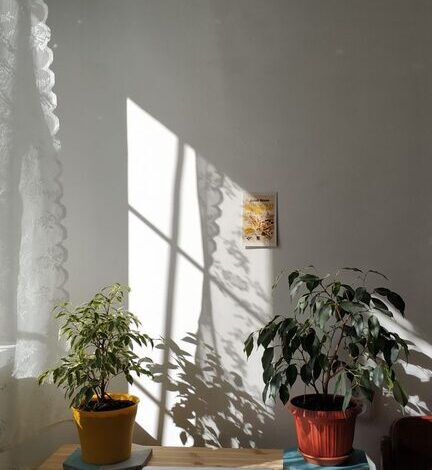
Natural light improves energy levels and reduces eye strain. Set up your workspace near a window if possible. Position your desk to take advantage of daylight, but avoid glare on your computer screen.
Find a Quiet Spot
Select a space away from household noise and distractions. This might be a spare room, a corner of your living room, or even a thoughtfully arranged nook. Having a quiet zone helps maintain focus during work hours.
Furniture and Layout
Invest in a Comfortable Chair
Ergonomics matter! Choose a chair that supports your posture to avoid discomfort during long work sessions. Adjustable chairs with good lumbar support are ideal.
Use a Desk That Fits Your Needs
Your desk should be spacious enough to hold your computer, supplies, and any other tools you regularly use. Consider height and surface quality—standing desks or adjustable desks are great options if you prefer alternating between sitting and standing.
Keep Essential Items Within Reach
Organize your workspace so that frequently used items like pens, notepads, and chargers are easily accessible. This reduces interruptions and keeps your momentum going.
Lighting Tips for Comfort and Focus
Apart from natural light, consider layered lighting to reduce eye strain and create a warm atmosphere.
– Task Lighting: A desk lamp with adjustable brightness helps illuminate your work area without harsh shadows.
– Ambient Lighting: Soft, indirect lights like floor lamps or string lights add coziness.
– Avoid Harsh Fluorescent Lights: They can be uncomfortable for prolonged periods.
Personalize Your Space Thoughtfully
Adding personal touches makes your workspace inviting but keep it balanced to avoid clutter.
– Plants: Small plants or succulents improve air quality and add calming greenery.
– Photos or Art: Inspirational images can boost motivation.
– Color Choices: Use calming colors like soft blues, greens, or neutrals for wall paint or accessories.
Organizing for Productivity
A tidy workspace fosters clear thinking. Use these organizing tips:
– Storage Solutions: Bins, shelves, or drawer organizers keep supplies sorted.
– Cable Management: Use clips or sleeves to keep cords neat.
– Declutter Regularly: Spend a few minutes at the end of each day tidying your desk.
Incorporating Break and Comfort Zones
Even the best workspace benefits from small comfort enhancers:
– Cozy Textiles: A soft throw blanket or cushion can make your chair more comfortable.
– Water and Snacks: Keep a water bottle and healthy snacks nearby to stay hydrated and energized.
– Break Area: If space allows, create a small spot to step away and refresh briefly.
Establishing Boundaries and Routine
Creating a cozy and productive workspace is part of establishing a healthy work routine.
– Set Work Hours: Stick to regular hours to balance work and personal life.
– Use Visual Cues: Closing your laptop or turning off your desk lamp can signal the end of your workday.
– Minimize Distractions: Silence unnecessary notifications and communicate your work schedule to family or housemates.
Maintaining Your Workspace Over Time
Keep the comfort and functionality alive by:
– Revisiting your layout after a month to identify needed changes.
– Updating your decor or furniture as needed.
– Keeping an eye on ergonomic issues and adjusting your setup accordingly.
Final Thoughts
Designing a home workspace that is both cozy and productive takes some planning but is worth the effort. By choosing the right location, investing in comfortable furniture, optimizing lighting, and keeping your area organized and personalized, you create a spot where work feels less like a chore and more like a positive part of your day. Start small and adjust over time to find what works best for you. Your ideal home office is waiting to help you thrive!